Phoenix Dancong Oolong NO.70

Phoenix Dancong Oolong NO.70

As the high-end medium-heavy roasted premium version, it is made of old tea trees growing in core high-mountain areas. Its fragrance is restrained yet rich, mixed with elegant floral note and gentle roasted nut aroma. The tea soup is thick and silky, with deep throat rhyme and extremely long-lasting sweetness.
Category

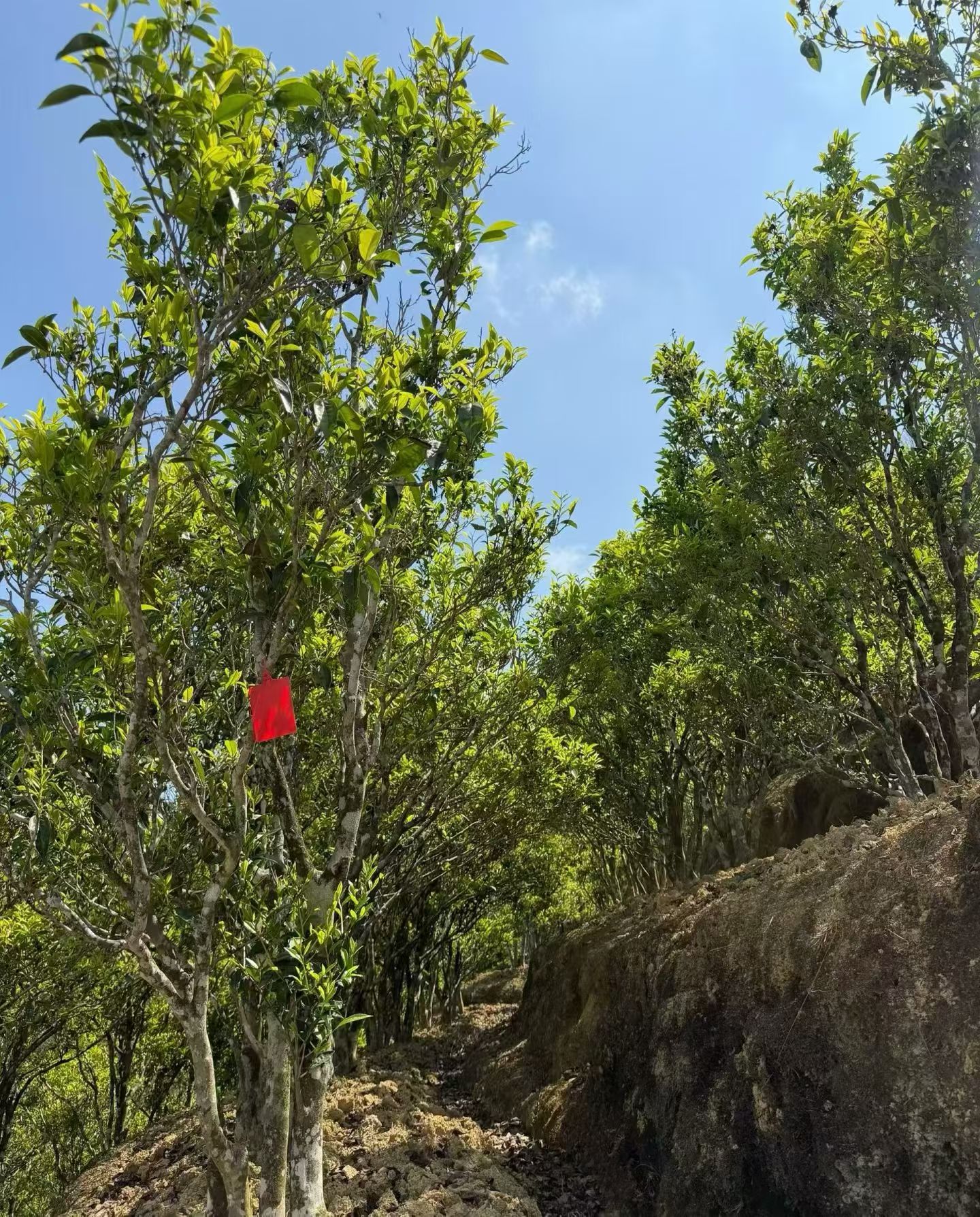
Grown on Phoenix Mountain in Chaozhou, Guangdong, this premium oolong thrives in high-altitude misty terrain with mineral-rich soil. Crafted with traditional hand-making techniques and repeated charcoal roasting, it features moderate oxidation and rich layered flavours.

Origin & Craftsmanship

  • Phoenix Dancong Oolong NO.70 is a premium Phoenix Dancong Oolong from Phoenix Mountain, Chaozhou, Guangdong, China.
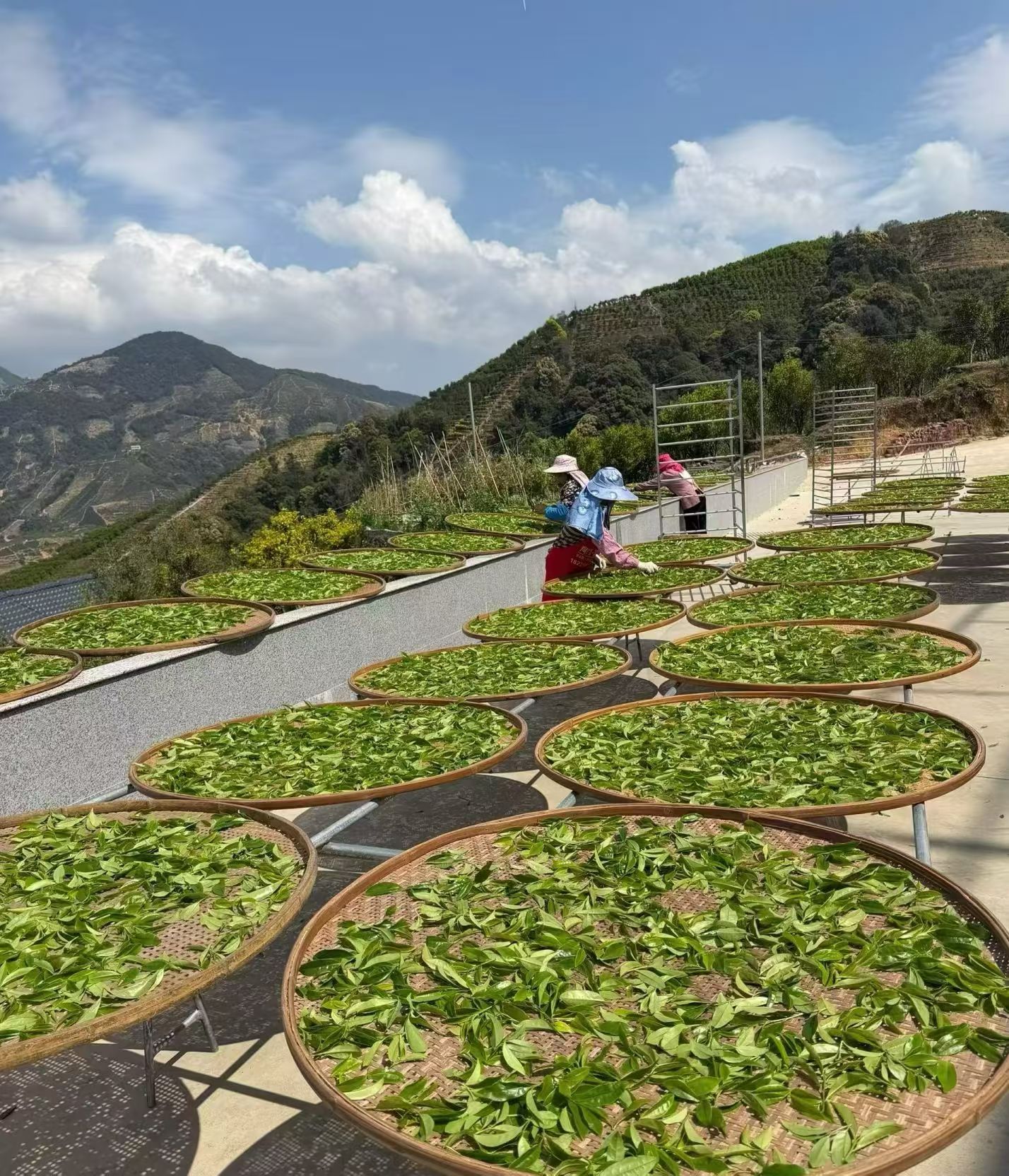
  • Core growing areas: Wudong Village & Pingkengtou Village (elevation 800–1,000 m), with high altitude, large day–night temperature difference, misty climate, and mineral‑rich yellow‑brown soil — ideal for slow, aromatic tea growth.
  • The unusual name comes from local legend: farmers named it to deter outsiders, claiming the soil smelled like duck droppings — the tea itself is clean and elegant.
  • Handpicked one bud + two leaves in spring; processed via 8 traditional steps: sun withering → indoor cooling → making green (key: repeated shaking & resting) → fixation → rolling → charcoal roasting (multiple slow fires).
  • Semi‑fermented (30–40% oxidation); charcoal roasting deepens honeysuckle, orchid, and nectar sweetness while preserving high fragrance.

Appearance & Aroma

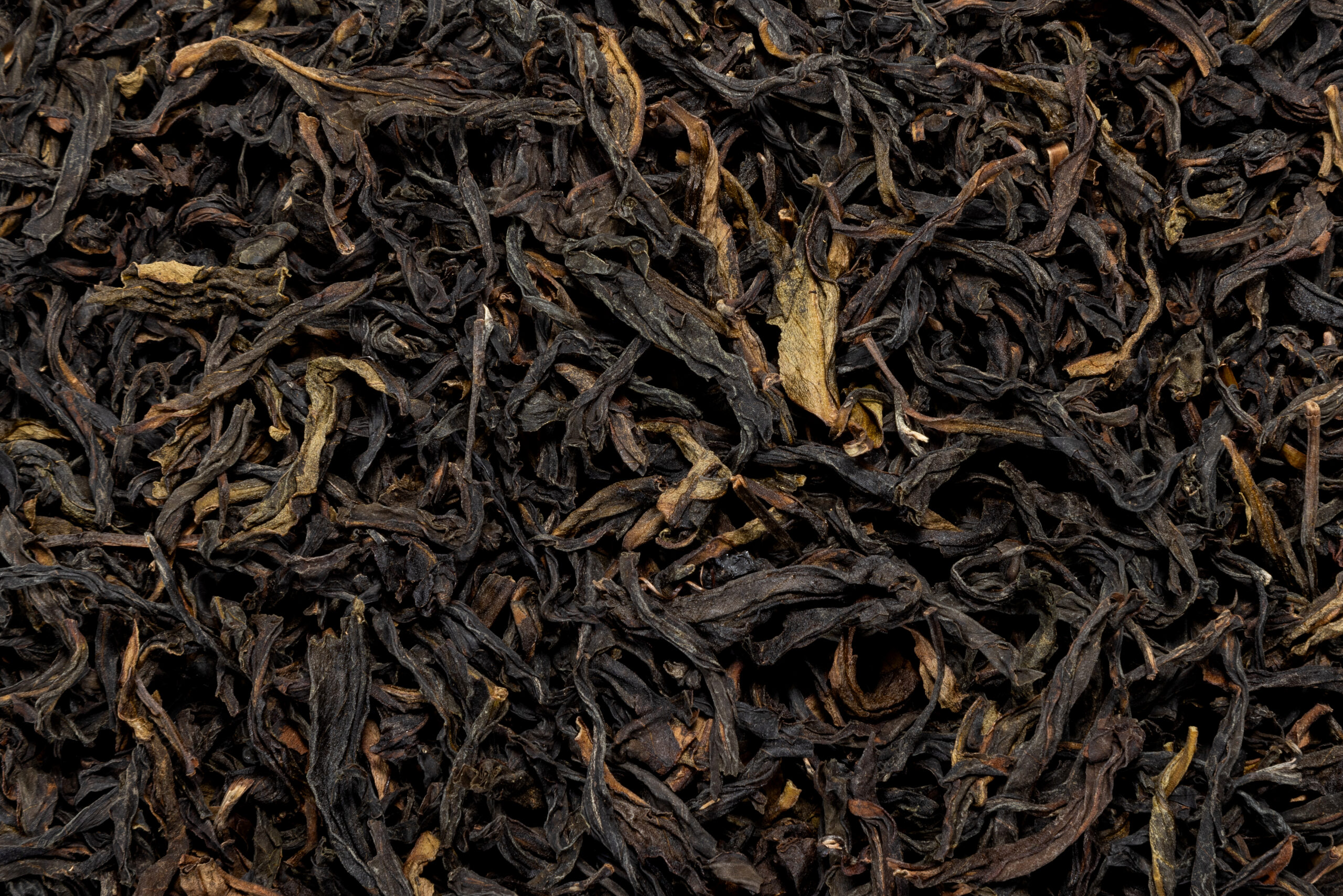
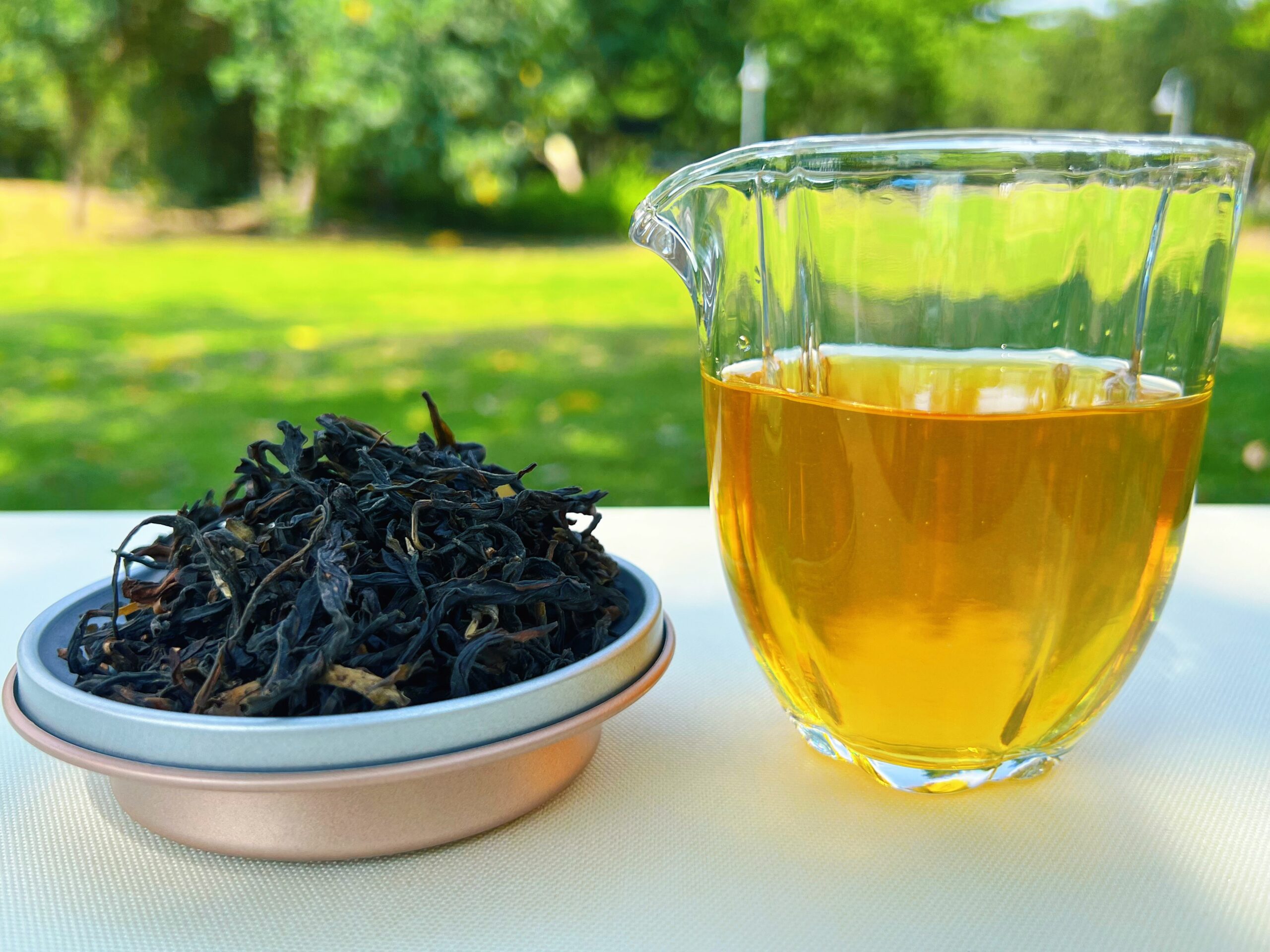
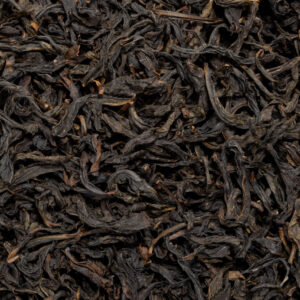
  • Dry leaves: strips are fat, tight, slightly curled, dark brown with an oily sheen; high grades show a faint white frost.
  • Liquor: bright orange‑yellow, clear and luminous.
  • Wet leaves: soft, uniform, and elastic.
  • Top note: high, sharp, long‑lasting honeysuckle (silver flower) and orchid fragrance — fresh, elegant, and penetrating.
  • Middle note: ripe stone fruit (peach/apricot) + honey nectar sweetness, with a subtle creamy vanilla hint in premium batches.
  • Base note: deep mountain charm (shan yun) + roasted nutty undertones; cup aroma lingers after cooling.

Brewing Suggestions

Gongfu Style (Recommended)
  • Teaware: white porcelain gaiwan (110–150 ml) — best for highlighting aroma; or small Yixing teapot for richer taste.
  • Tea amount: 7–8 g (1/3 of gaiwan volume).
  • Water: natural mineral water or purified water; avoid chlorine tap water.
  • Temperature: 95–100°C (boiling) — critical for unlocking high aroma.
  • Steps & timing:
    1. Rinse: quick 3–5 sec pour, discard — warm cups & awaken leaves.
    2. 1st–3rd infusion: 5–10 sec — fast pour, fast pour out; no steeping.
    3. 4th–7th infusion: 15–30 sec — extend time gradually.
    4. 8th–10th infusion: 45–60 sec — still fragrant and sweet.

Western Style

  • Ratio: 2 g / 100 ml water.
  • Temp: 95–100°C; steep 1–3 min.
  • Re‑steep: 2–3 times; good for daily office drinking.
Key tips
  • Use high pouring to agitate leaves and release aroma.
  • Avoid long steeping — prevents bitterness.
  • Best enjoyed in small sips to appreciate layers of fragrance and sweetness

Flavor Profile

  • Entry: clean, brisk, slightly sweet; floral aroma fills the palate immediately.
  • Mid‑palate: mellow, full‑bodied; light bitterness melts quickly into sweetness (hui gan).
  • Finish: long‑lasting sweet aftertaste; mountain charm and honey nectar linger in the throat.
  • Nature: light and mild, easy on the stomach; suitable for daily drinking, afternoon tea, hospitality, and high‑end occasions.

Chihong Black Oolong Green Tea